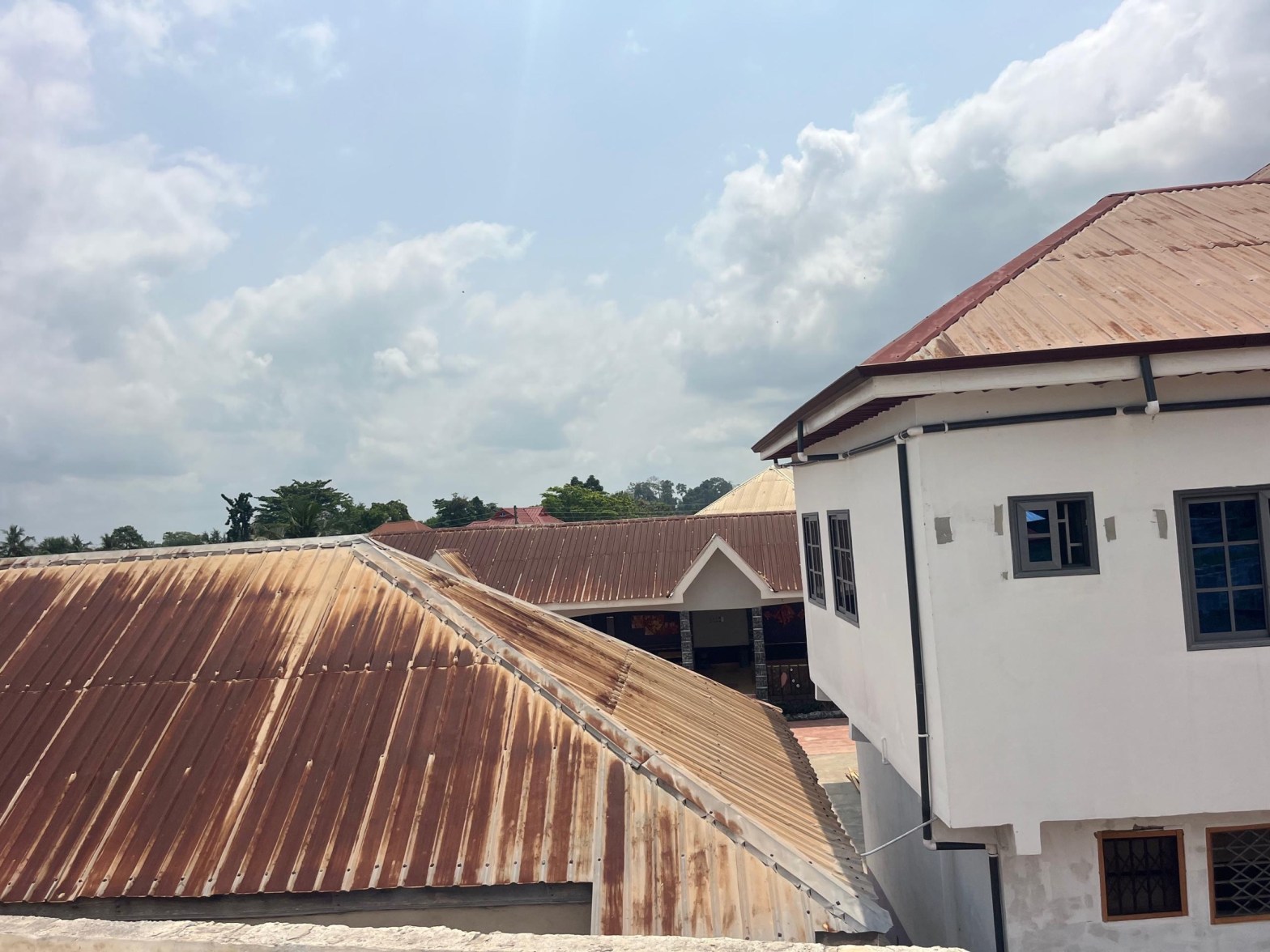
Recoating is a necessary maintenance process designed to restore the protective layer of a surface—such as flooring, roofing, or industrial equipment—before the underlying material is damaged. It acts as a proactive measure that extends the lifespan of the asset, restores its aesthetic appearance, and provides enhanced protection against environmental elements like UV rays, moisture, and chemical exposure.
1. Preservation and Life Extension
- Preventative Maintenance: Recoating prevents the need for costly, full replacements by addressing surface wear and tear early.
- Extends Lifespan: Regular recoating can add 10–15 years of service life to flat roofs and preserves the structural integrity of industrial, wood, and powder-coated surfaces.
2. Improved Protection
- Restores Barrier: Recoating reinforces the surface’s defense against moisture (waterproofing), chemicals, rust, and UV damage.
- Prevents Corrosion: On metal roofs and industrial equipment, a fresh coat acts as a barrier that prevents rust, oxidation, and corrosion.
3. Cost-Effectiveness
- Less Expensive than Replacement:Recoating is significantly cheaper than full sanding and refinishing for floors or complete replacement of a roof.
- Minimal Disruption: Recoating projects are faster to complete, reducing downtime in commercial or residential settings.
4. Performance and Safety
- Restores Functionality: For roofs, it restores reflectivity, improving energy efficiency by reflecting UV rays and reducing cooling costs.
- Maintains Safety: It restores the luster and safety features of surfaces, such as high-traffic floors or industrial machinery.
5. Aesthetic Restoration
- Eliminates Surface Defects: It hides light scratches, scuffs, and dull spots, restoring the original look and shine.
 Why re-roof and restore .